
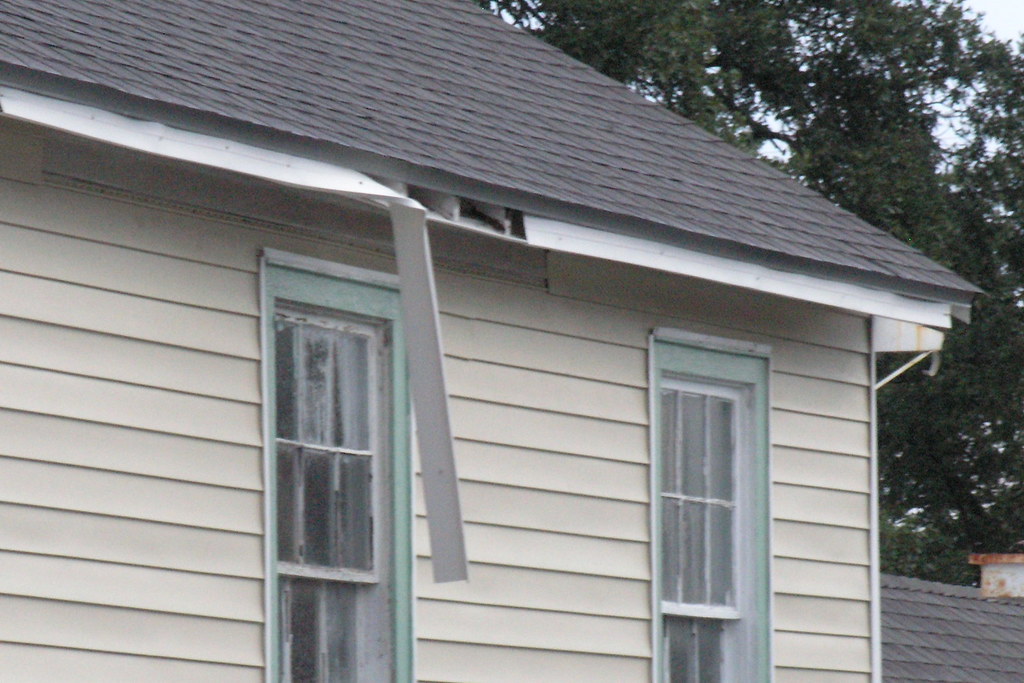
Gutter Failures Cost More Than You Think: How ASG Prevents Water Damage for Businesses
January 5, 2026
For many commercial property owners, gutters are an out‑of‑sight and often out‑of‑mind part of building maintenance. Yet, when a gutter fails, the resulting damage can be both extensive and expensive—affecting roofing systems, foundations, landscaping, interiors, and even business operations. ASG Seamless Gutters Inc understands the true cost of gutter failure, and uses that knowledge to provide robust solutions for commercial buildings throughout Massachusetts, Connecticut, Rhode Island, New York, Vermont, and New Hampshire.
In this article, we will explore:
- Why gutters are critical for business properties
- What happens when gutters fail
- The true (and often hidden) costs of gutter damage
- How commercial gutter systems should be designed
- What ASG does differently to prevent problems before they start
- A cost comparison showing long-term savings with quality gutter installation
By the end, you’ll know not just why gutter systems matter—but how investing in the right one can protect your business and its bottom line.
Why Gutters Matter for Commercial Buildings
It’s common to think of gutters as a residential concern—but for commercial properties, they are equally essential. A commercial building typically has a larger roof surface and more complex drainage needs than a home. This means more water to manage, greater potential for damage, and higher stakes when something goes wrong.
The basic job of a gutter system is simple: control rainwater flow by collecting roof runoff and directing it safely away from the building. But in practice, that simple job has huge implications:
- Prevents water from eroding landscaping
- Protects foundations from water infiltration
- Reduces basement flooding
- Minimizes wall staining and material degradation
- Keeps parking areas, walkways, and entrances safer
- Extends the lifespan of roofing and siding
For businesses, these benefits translate into avoided repair costs, reduced liability, and improved building lifespan. But when gutters fail, the opposite occurs: water becomes the enemy.
What Happens When Gutters Fail
When gutters are clogged, improperly installed, made from low‑grade materials, or not sized correctly for the building, water no longer flows where it should. Instead, it overflows—or worse—gets trapped against the structure.
Here are the most common consequences of gutter failure:
1. Foundation Damage
Water that pours off a roof without controlled drainage can pool around a building’s perimeter. Over time, this undermines the foundation, causing cracks or shifting that leads to serious structural problems.
2. Basement and Interior Water Infiltration
Basements and lower levels are especially vulnerable. Left unchecked, rainwater can breach through walls or floors, damaging electrical systems, storage areas, and finished spaces.
3. Erosion and Landscaping Loss
Heavy flow from faulty gutters scours soil and destroys grading that’s meant to divert water. Plants die, soils wash away, and replacement landscaping adds to long‑term costs.
4. Roof and Fascia Rot
Standing water and overflow saturate fascia boards and roofing edges. Over time, wood rots, shingles fail, and mold can proliferate within structural cavities.
5. Slip and Fall Hazards
Overflowing rainwater can drip onto walkways or entrances, especially in freezing climates like New England. This adds liability risk—especially around business access points where safety is critical.
6. Aesthetic and Operational Issues
Staining, rust, peeling paint, and failing exterior finishes not only create visual problems—they signal deferred maintenance that can reduce property value.
These are not hypothetical risks. They are real issues that property managers face annually, especially in regions with heavy seasonal rain, snowmelt, and freeze‑thaw cycles—like the Northeast where ASG operates.
The True Cost of Gutter Failure: Beyond the Repair Bill
It’s tempting to think gutter problems are small and inexpensive. But in reality, the cost of damage caused by failing gutters far exceeds the cost of proper installation and maintenance.
Here is a representative comparison of expenses you might see from reactive vs. proactive approaches:
| Issue | Reactive Repair Cost | Preventive/Proactive Solution | Preventive Cost |
|---|---|---|---|
| Blocked Gutters | $200–$500 per service call | Scheduled cleaning & inspection | $150–$300 per event |
| Foundation Crack Repair | $5,000–$20,000+ | Quality gutter drainage & grading | Included in system design |
| Basement Water Damage | $3,000–$25,000+ | Properly sized downspouts & drains | Part of gutter install |
| Roof Edge & Fascia Replacement | $4,000–$15,000+ | Seamless gutter install with quality materials | $2,000–$10,000+ |
| Landscape Replacement | $1,000–$10,000 | Controlled gutter outflow & splashblocks | $300–$1,000 |
| Liability From Slip/Fall | $10,000–$100,000+ | Strategic gutter placement & drains | Design included |
| Long-Term Property Value Loss | Hard to quantify | Maintained structural integrity | Adds market value |
This table helps illustrate a consistent truth: the costs associated with damage from failing gutters can be multiple times greater than the investment in a high‑quality gutter system and regular maintenance. It’s not just about repairing gutters—it’s about preventing the cascade of failures that ensue.
What Makes a Commercial Gutter System Effective?
A high‑performing commercial gutter system is not just about slapping aluminum strips on the roof edge. It must be:
Properly Sized
Commercial roofs produce more water than residential ones. Downspouts and gutters must be sized to handle the maximum possible runoff during heavy rain.
Seamless Where Possible
Seams are weak points that can leak, trap debris, and require frequent maintenance. Seamless systems reduce these issues significantly.
Durable Materials
Industrial aluminum, protective coatings, and products like RainPro and Mastershield enhance longevity in harsh weather and reduce corrosion.
Well‑Supported and Anchored
Commercial buildings may be taller and more exposed to wind. Quality hangers, brackets, and fasteners ensure the system stays secure.
Strategically Drained
Directing water to appropriate discharge points, underground drains, splash blocks, or swales prevents pooling at the foundation.
Low‑Maintenance Options
Screens, guards, or high‑capacity designs reduce clogging and the frequency of cleaning.
ASG Seamless Gutters incorporates these principles into every large‑scale project, ensuring water is managed before it becomes a problem.
How ASG Seamless Gutters Prevents Water Damage
ASG Seamless Gutters Inc stands out because it approaches gutter systems with engineering rigor and deep regional experience. Here is how they prevent the problems most businesses eventually face:
1. Tailored Site Evaluation
Every property is unique. Before quoting a project, ASG conducts a detailed assessment of roof size, slope, water flow patterns, existing drainage issues, and local soil conditions. This allows precise planning that prevents guesswork.
2. Correct System Sizing
Gutters and downspouts are not one‑size‑fits‑all. ASG customizes the size and placement to match peak rainfall events in New England and the Northeast, where storms can drop significant amounts of water in short periods.
3. Seamless Industrial Gutters
Unlike sectional systems that leak at joints, seamless gutters are fabricated on site to exact lengths. This reduces points of failure, increases flow efficiency, and greatly minimizes maintenance needs.
4. High‑Grade Materials
ASG installs high‑grade commercial aluminum and premium products like RainPro Gutters and Mastershield guards. These materials resist corrosion, extend service life, and improve long‑term performance.
5. Strategic Downspout Placement
Downspouts are positioned not just for appearance—but to manage water away from foundations, plazas, entrances, and parking lots. Where necessary, they integrate with underground drainage systems.
6. Guard and Protection Options
Clogging from leaves, debris, or snow can render gutters useless. ASG offers guard systems that minimize buildup, significantly reducing the need for frequent cleanings while protecting against overflow.
7. Comprehensive Installation Practices
Commercial installations involve secure hanger systems, engineered brackets, and careful sealing at roof connections. These practices prevent pull‑offs during wind events and ensure reliable performance.
8. Long‑Term Service and Maintenance
ASG is not a “install it and disappear” company. They advise clients on maintenance schedules and provide cleaning and inspection services so that small issues never turn into big ones.
Real Risks in the Northeast Climate
The geographic coverage of ASG Seamless Gutters—Massachusetts, Connecticut, Rhode Island, New York, Vermont, and New Hampshire—presents particular environmental challenges:
Heavy Rain Events
Storms in these regions can produce intense rainfall over short periods. Without properly sized and installed gutters, water overtops the system and causes erosion and flooding.
Freeze‑Thaw Cycles
Winter conditions create ice dams when snow melts and refreezes at roof edges. These dams can back up water under roofing and into walls. Seamless gutters with guards reduce ice buildup and improve flow.
Seasonal Debris
Fall leaf drop, pine needles, and other debris can clog gutters. Guard systems and proper design reduce this risk and prevent overflow that can cause siding damage.
Wind and Storm Exposure
Commercial buildings often have flat or low‑sloped roofs with significant wind exposure. Proper anchoring and seamless materials stand up better under these conditions.
Without attention to these factors, gutter systems that are “good enough” in theory can fail in practice—leading to expensive damage.
Case Studies: When Prevention Saved Buildings
Here are a few real‑world scenarios where proper gutter systems protected businesses:
Case A: Retail Plaza in Hartford, CT A retail property had recurring basement flooding after heavy rainstorms. ASG redesigned the gutter layout with larger downspouts and added underground drains. Flooding stopped entirely, and tenant complaints dropped to zero.
Case B: Office Park Near Springfield, MA An older building suffered fascia rot and exterior staining. ASG installed seamless gutters and guards, then scheduled biannual inspections. Within two years, the building’s envelope was stabilized, and roof repairs were avoided.
Case C: Apartment Community in Burlington, VT Ice dams were damaging shingles and interior soffits. ASG added heated gutter sections and optimized drainage away from the foundation. Ice dam formation was significantly reduced.
These results reflect how expert planning and quality installation can save tens of thousands of dollars compared to the cost of reactive fixes alone.
Conclusion: What Business Owners Should Know
Gutter failure isn’t a minor issue. It is a structural vulnerability that affects everything from walls and roofs to foundations and landscaping. For commercial properties—where square footage is large and the cost of water damage can escalate quickly—the right gutter system is a protective investment, not a cosmetic add‑on.
ASG Seamless Gutters Inc brings technical expertise, quality materials, and regional experience to every project. Their approach is:
- Preventive, not reactive
- Customized to each building
- Engineered for the demanding Northeast climate
- Built for long‑term performance
Business owners who partner with ASG enjoy peace of mind—knowing that water is managed effectively, infrastructure is protected, and expensive damage is avoided.
If you want your commercial property to stay dry, strong, and safe, the choice isn’t whether to invest in quality gutter systems—it’s how soon you make that investment. A well‑designed, properly installed, seamless gutter system can save you money, time, and hassles for years to come.